
Trading is often described as a mental game, and for good reason. The charts, indicators, and strategies are only half the equation. The other half — the half that separates consistently profitable traders from those who constantly struggle — is psychology. Understanding the psychological forces that drive trading decisions is not just helpful for prop firm evaluations. It's essential for anyone who wants to build a long-term career in the markets. At Forex Funded Traders, we've evaluated thousands of traders, and the pattern is unmistakable: the traders who pass are not necessarily the ones with the best technical analysis skills. They are the ones who have mastered their own minds. In this guide, we'll explore the core psychological principles that define successful traders, the common mental traps that destroy accounts, and the practical habits you can develop to strengthen your trading psychology starting today.
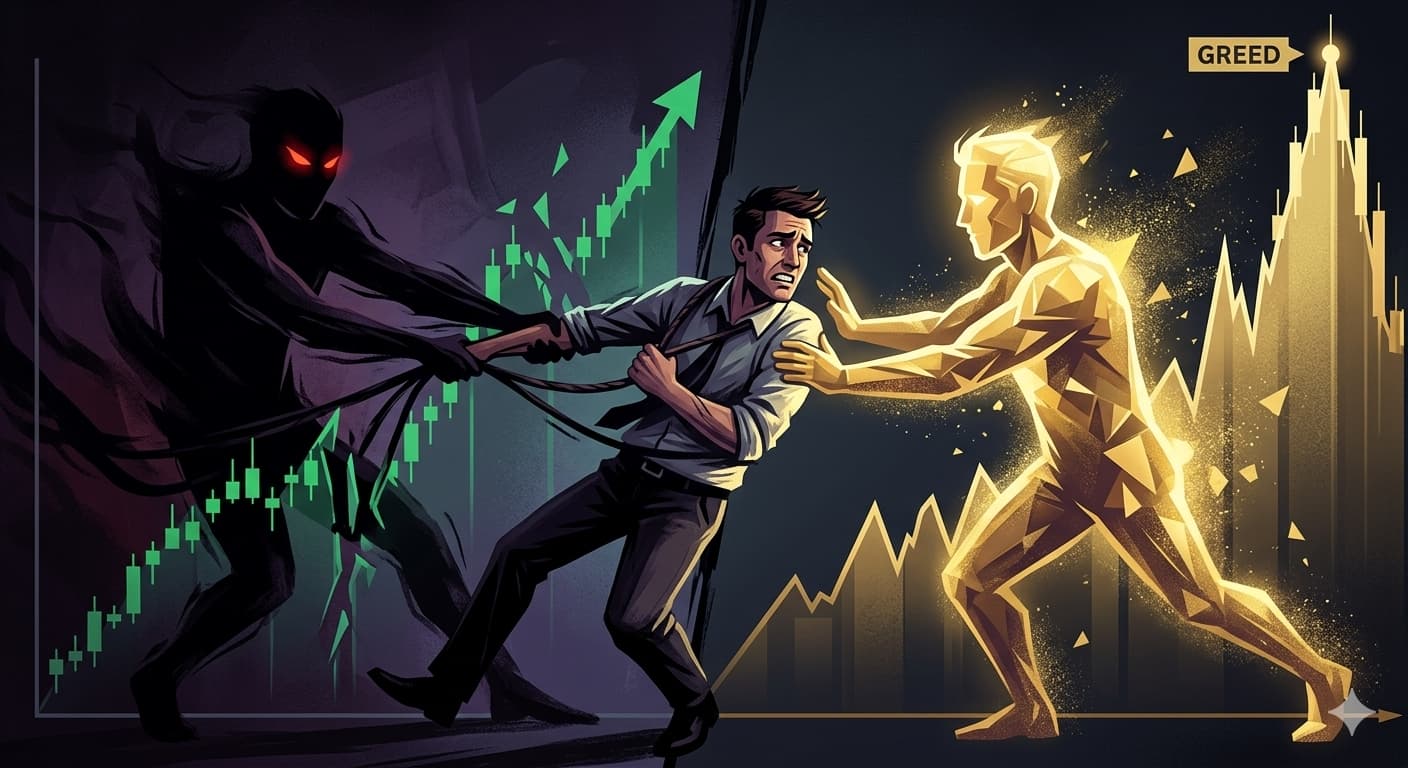
Fear and greed are not just Wall Street clichés — they are the twin engines of every trading mistake. Fear shows up in many forms: fear of missing out on a move, fear of giving back profits, fear of being wrong, and fear of loss itself. When fear takes over, traders exit winning trades too early, avoid valid setups, or sit on the sidelines while the market moves in their favor. Greed, on the other hand, makes traders hold losing positions far too long, over-size their positions after a win, or chase trades that have already moved beyond their entry criteria. The most successful traders are not those who never feel fear or greed. They are the ones who recognize these emotions when they appear and have systems in place to neutralize their influence. This begins with self-awareness. Before you can manage your emotions, you have to notice them. Many traders operate on autopilot, reacting to the market without understanding why they're making certain decisions. Developing a habit of asking yourself, 'Why am I taking this trade?' can reveal whether fear or greed is driving the choice.
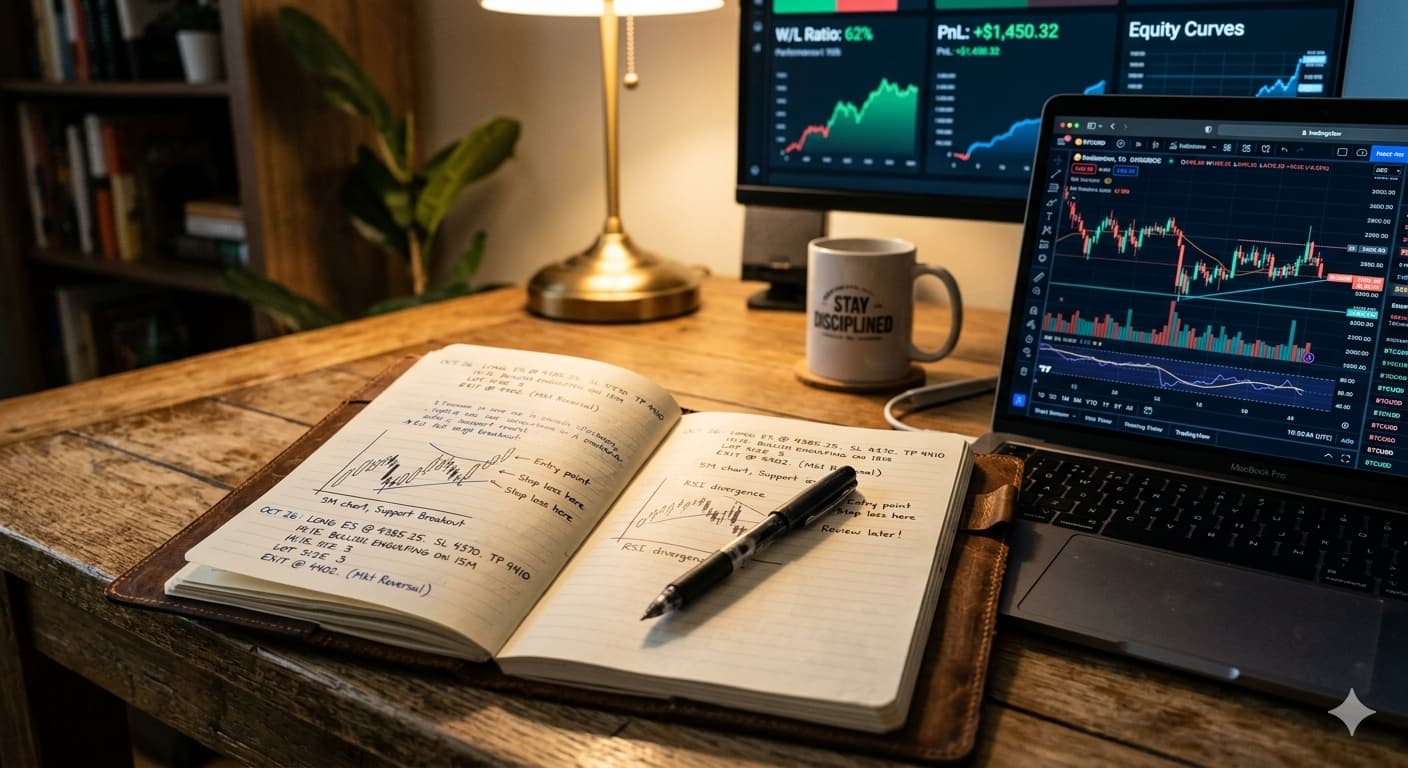
One of the most powerful tools for building trading psychology is a simple trading journal. A journal is not just a record of what you traded and whether you made or lost money. It's a mirror that reflects your decision-making patterns, emotional states, and behavioral weaknesses. Every trade you take should be documented before you enter it, not after. Write down your reasoning, your risk parameters, and the market conditions. After the trade closes, record the outcome and review whether your original analysis was sound. Over time, patterns will emerge. You might notice that you perform poorly after three consecutive wins, or that you tend to overtrade on Monday mornings, or that you close profitable trades too early when the market is volatile. These insights are priceless because they allow you to address specific psychological weaknesses rather than blaming 'bad luck' or 'the market.' At FFT, we encourage every trader to treat journaling as a non-negotiable part of their routine. The traders who take this seriously are the ones who build lasting careers.
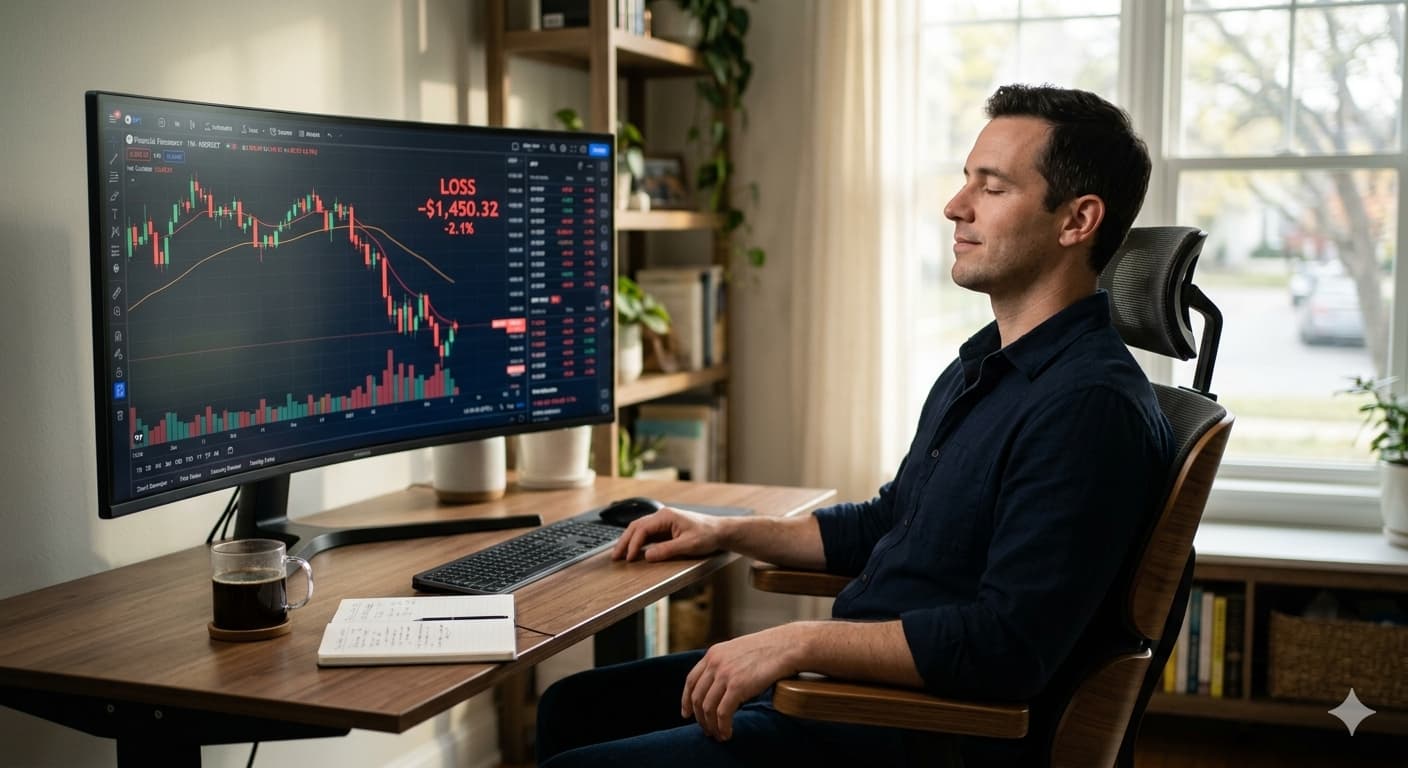
Losses are inevitable in trading, and how you handle them defines your trajectory as a trader. Even the best traders in the world lose roughly 40% of their trades. What separates them from losing traders is not their win rate — it's how they process losses. A single loss is data, not a judgment on your ability. Revenge trading, the urge to immediately enter another trade to recover a loss, is one of the most destructive psychological behaviors in trading. It stems from the emotional reaction to loss rather than a rational assessment of the market. The best defense against revenge trading is a predefined daily loss limit. Once you hit that limit, the trading day is over. No exceptions. This rule removes the decision from your emotional state and places it in a pre-committed system. Over time, accepting losses as a normal part of trading becomes easier. You begin to see them as the cost of doing business rather than personal failures. This shift in perspective is transformative. Traders who can accept losses calmly, analyze them objectively, and move on without emotional baggage are the ones who survive and thrive.
Patience is one of the most underrated qualities in trading, and it's also one of the hardest to develop. The market provides endless opportunities, but not every opportunity is worth taking. In fact, most opportunities are mediocre at best. The best traders are masters of waiting. They wait for the setup that matches their strategy, the timing that fits their risk parameters, and the conditions that give them the highest probability of success. This requires discipline. When the market is quiet, or when your usual setups are not present, the temptation to 'just take a trade' can be overwhelming. This is where psychology matters most. A trader who can sit on their hands for hours or even days, waiting for the right moment, will almost always outperform a trader who feels compelled to be constantly active. The ability to do nothing is a sign of strength, not weakness. It shows that you trust your strategy enough to let the market come to you rather than chasing it. Over time, this patience compounds. Fewer trades mean fewer fees, fewer emotional decisions, and a higher quality of setups.
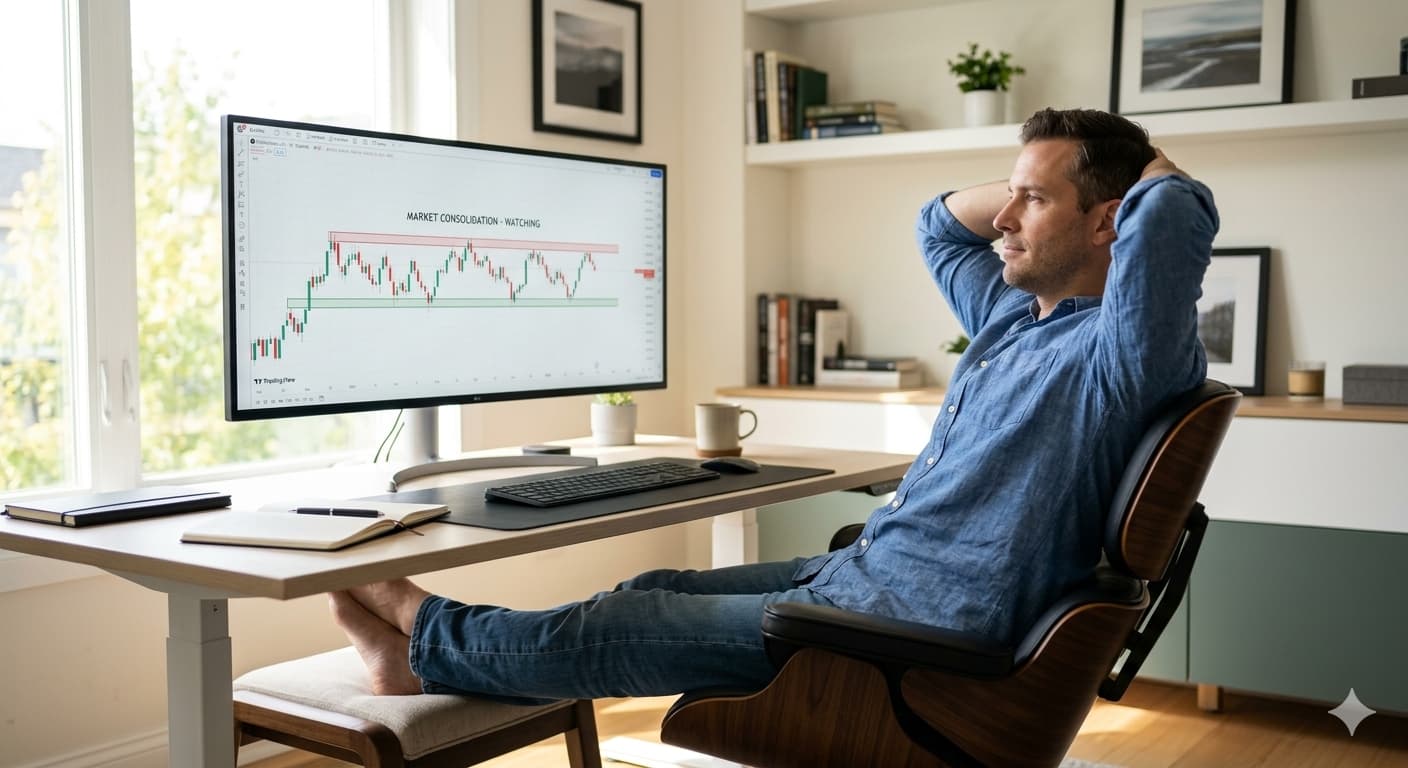
Decision-making under pressure is where psychology meets execution. Prop firm evaluations are high-stakes environments. Your account balance is limited, the clock is ticking, and every trade feels important. This pressure can cause traders to deviate from their plans, second-guess their analysis, or take unnecessary risks to accelerate their progress. The traders who succeed under evaluation pressure are the ones who have practiced their routines so thoroughly that their decision-making becomes automatic. They don't panic when a trade goes against them. They don't get excited when a trade goes in their favor. They simply follow their plan, one trade at a time. This level of composure is not a personality trait — it's a skill that can be developed. Start by simulating pressure in your daily routine. Trade with smaller position sizes than you're comfortable with. Set artificial time limits for decision-making. Practice staying calm after a string of losses. Over time, your brain learns that pressure is not a threat, but a normal condition that you can handle. At FFT, we've seen traders who were mediocre demo traders become exceptional evaluation traders simply because they developed the mental toughness to perform under pressure.
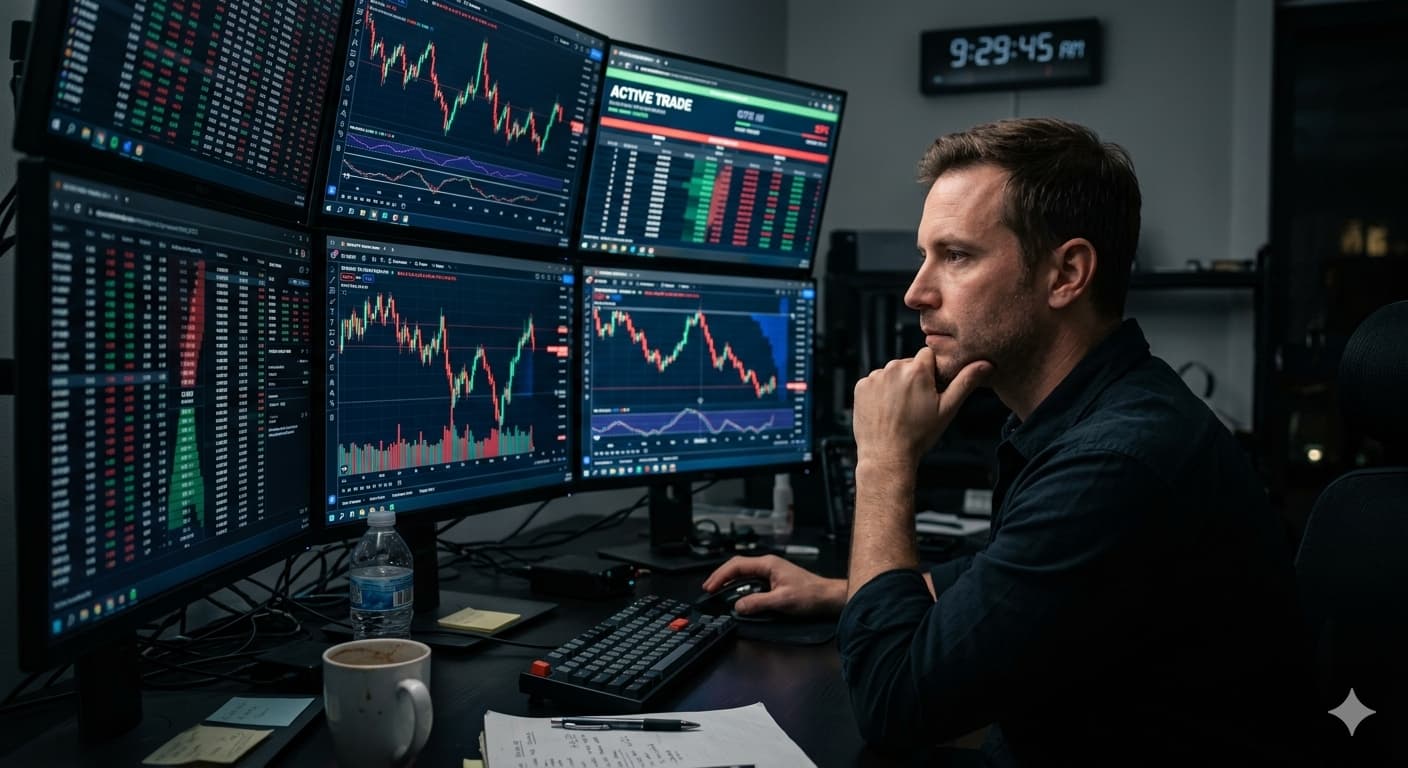
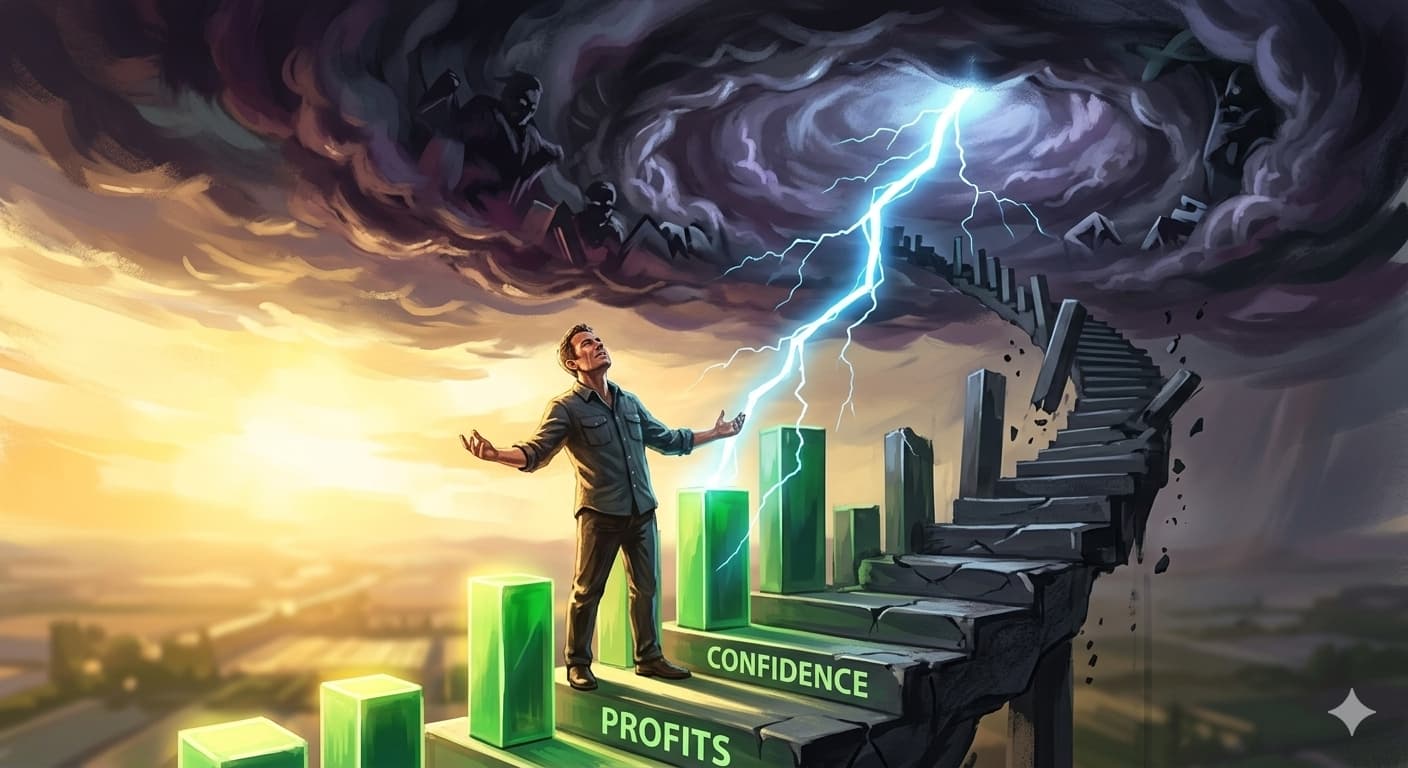
Another critical aspect of trading psychology is managing overconfidence after a winning streak. Many traders experience a period of success and begin to believe they've cracked the market. They increase their position sizes, skip their trading plans, and take trades that don't fit their criteria. This overconfidence is just as dangerous as fear. Markets are dynamic, and what worked last month may not work this month. The best traders remain humble regardless of their recent performance. They stick to their risk rules, continue journaling, and constantly seek to improve. One practical way to combat overconfidence is to set rules that remain constant regardless of your account performance. Your maximum risk per trade, your daily loss limit, and your entry criteria should not change because you've had a good week. Treat every trade as an independent event, and never let past success make you complacent about risk. The market has a way of humbling overconfident traders, often when they least expect it.
Building mental toughness in trading is similar to building physical fitness. It requires consistent practice, gradual exposure to difficulty, and a commitment to long-term improvement. Start by identifying your biggest psychological weaknesses. Do you overtrade when bored? Do you close winning trades too early because you're afraid of losing profits? Do you hold losing trades hoping they'll turn around? Each of these behaviors has a trigger, and recognizing that trigger is the first step to changing it. Once you identify the pattern, create a specific rule to counteract it. For example, if you tend to overtrade after three consecutive wins, set a rule that you must wait one hour before entering another trade. If you close winning trades too early, set a rule that you will only exit at your predetermined take-profit level. These small, specific rules act as guardrails that keep your psychology in check. Over time, following these rules becomes a habit, and the emotional triggers lose their power over your decisions.
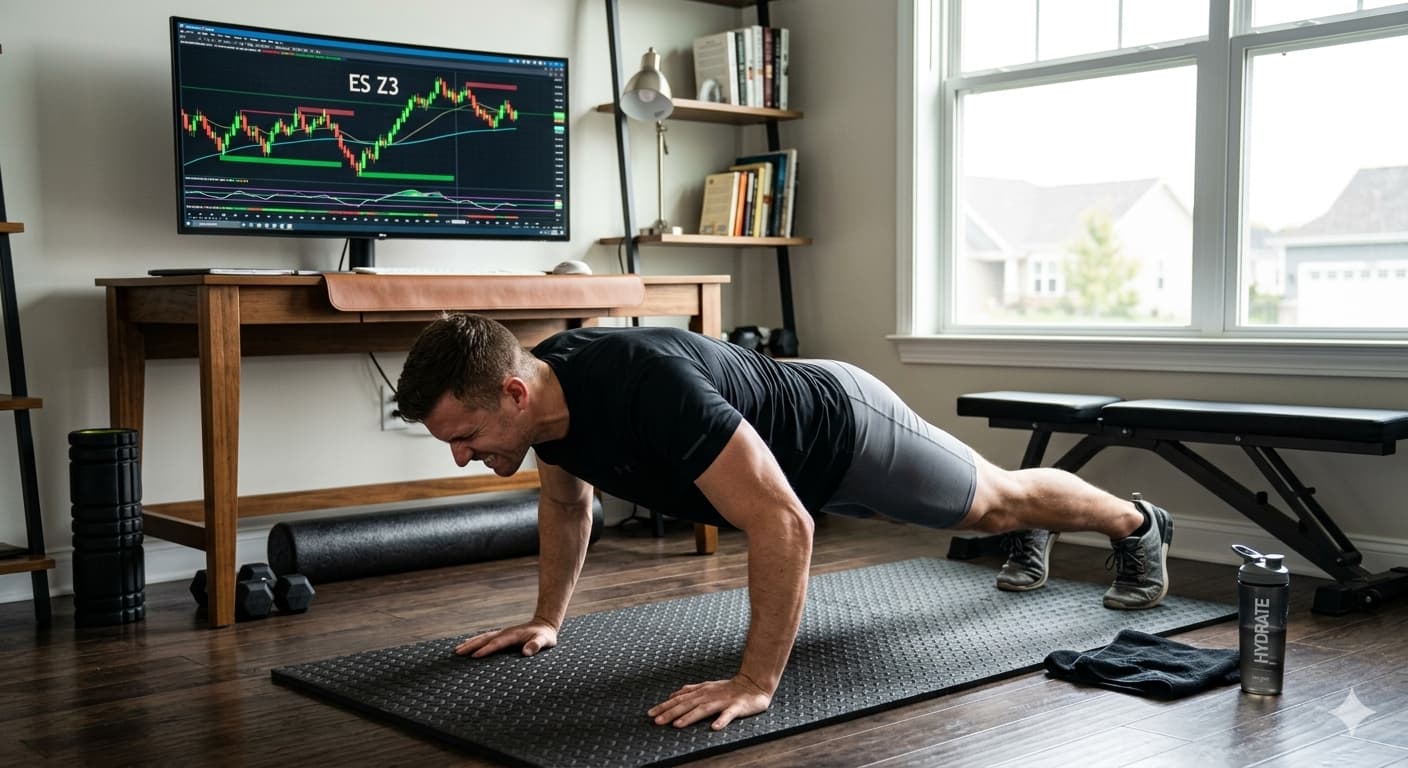
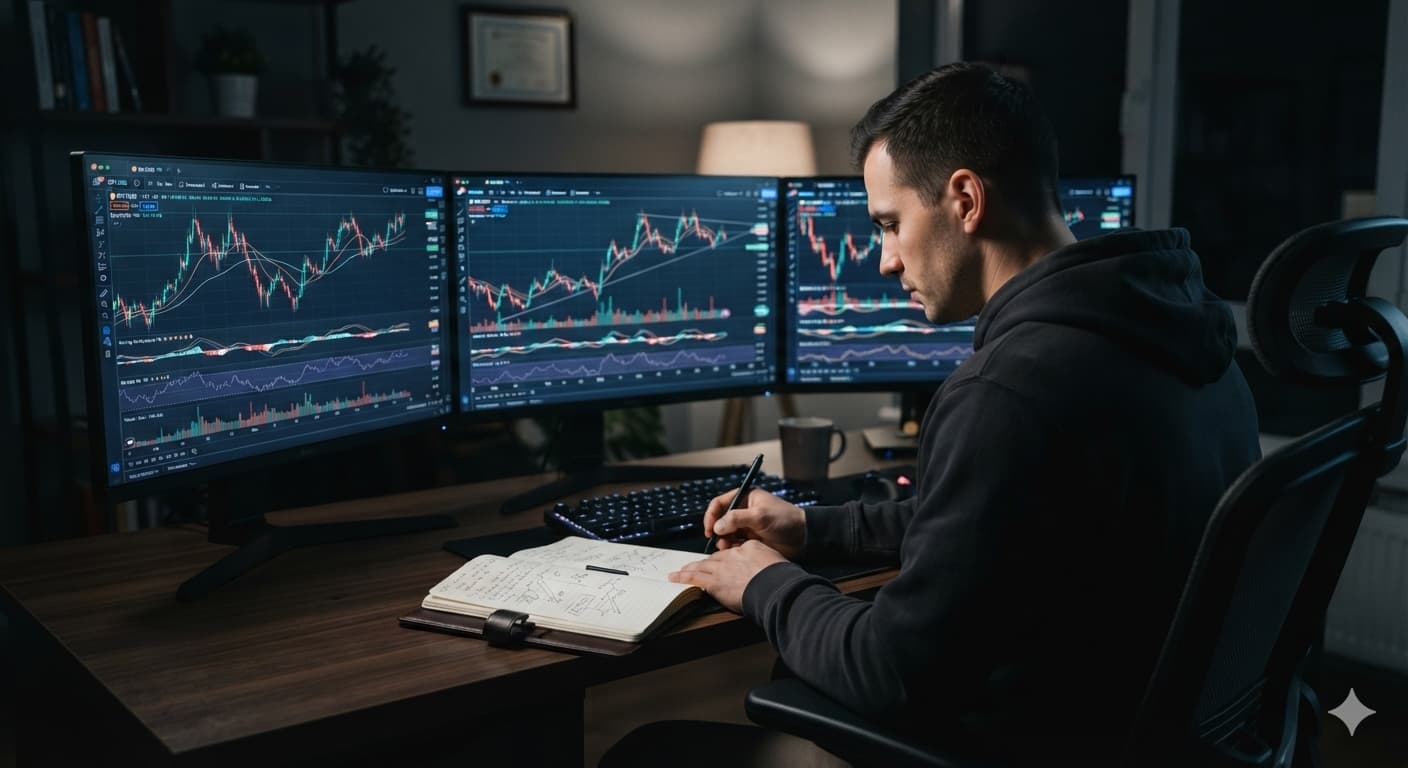
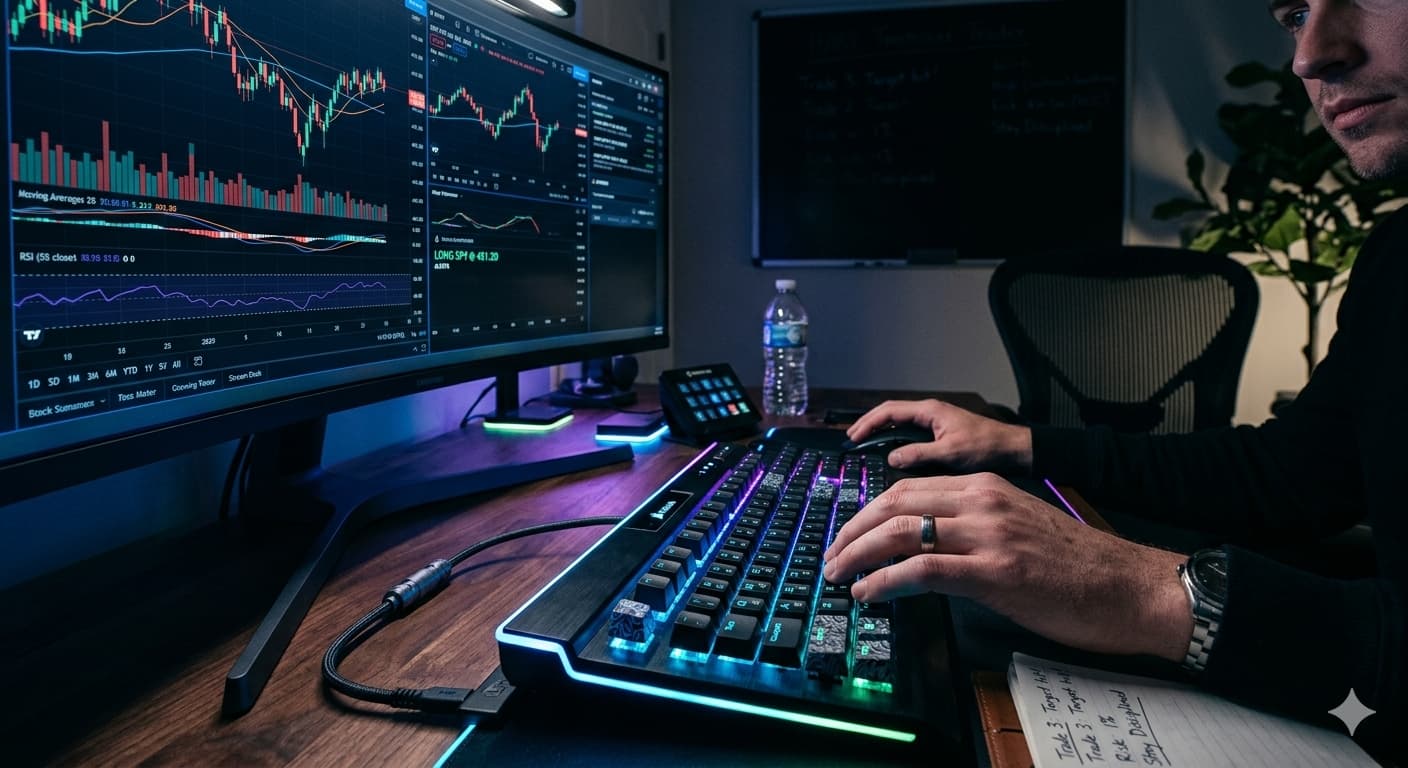
The environment in which you trade has a profound impact on your psychological state. Trading from a cluttered room with constant distractions, poor lighting, and an uncomfortable chair makes it far harder to maintain focus and discipline. Successful traders treat their trading environment as a professional workspace. They have a dedicated area, minimal distractions, and a routine that signals to their brain that it's time to focus. This might seem trivial, but psychology is heavily influenced by context. When your environment reinforces discipline, it becomes easier to maintain it. Additionally, the people around you matter. Surround yourself with traders who take the craft seriously, who respect risk, and who are committed to improvement. Avoid traders who glorify reckless behavior or treat trading like gambling. At FFT, our community is built around the idea that traders thrive when they support each other's growth. Being part of a disciplined trading community can provide the accountability and perspective you need to stay on track during difficult periods.
Finally, it's important to understand that trading psychology is not about eliminating emotions. It's about managing them. The goal is not to become a robot. The goal is to ensure that your emotions inform your decisions rather than control them. There will be days when you feel anxious, excited, frustrated, or euphoric. All of these are normal. The key is to recognize the emotion, acknowledge it, and then apply your trading rules regardless. This is what professionals do in every field — from surgeons to pilots to athletes. They train extensively so that when the pressure is on, their training takes over. Your trading plan, your risk rules, and your journal are your training. The more you practice following them, the more automatic they become. At FFT, we believe that psychology is the most trainable skill in trading. Technical analysis can be learned in weeks. Risk management can be understood in days. But mastering your mind is a lifelong journey, and it's the journey that makes great traders truly exceptional.