
So you've decided to take the leap into prop trading. You've chosen your account, read the rules, and now you're staring at a blank chart wondering where to start. Passing your first prop firm evaluation is one of the most rewarding milestones in a trading career. It's not just about hitting a profit target — it's about proving that you can manage risk, stay disciplined, and execute a strategy consistently under pressure. At Forex Funded Traders, we've guided thousands of traders through this exact process, and the patterns are clear: the traders who pass aren't necessarily the ones with the fanciest indicators or the highest win rates. They're the ones who prepare, stay focused, and treat the evaluation like a business, not a lottery ticket. In this guide, we'll walk you through everything you need to know to pass your first evaluation with confidence.
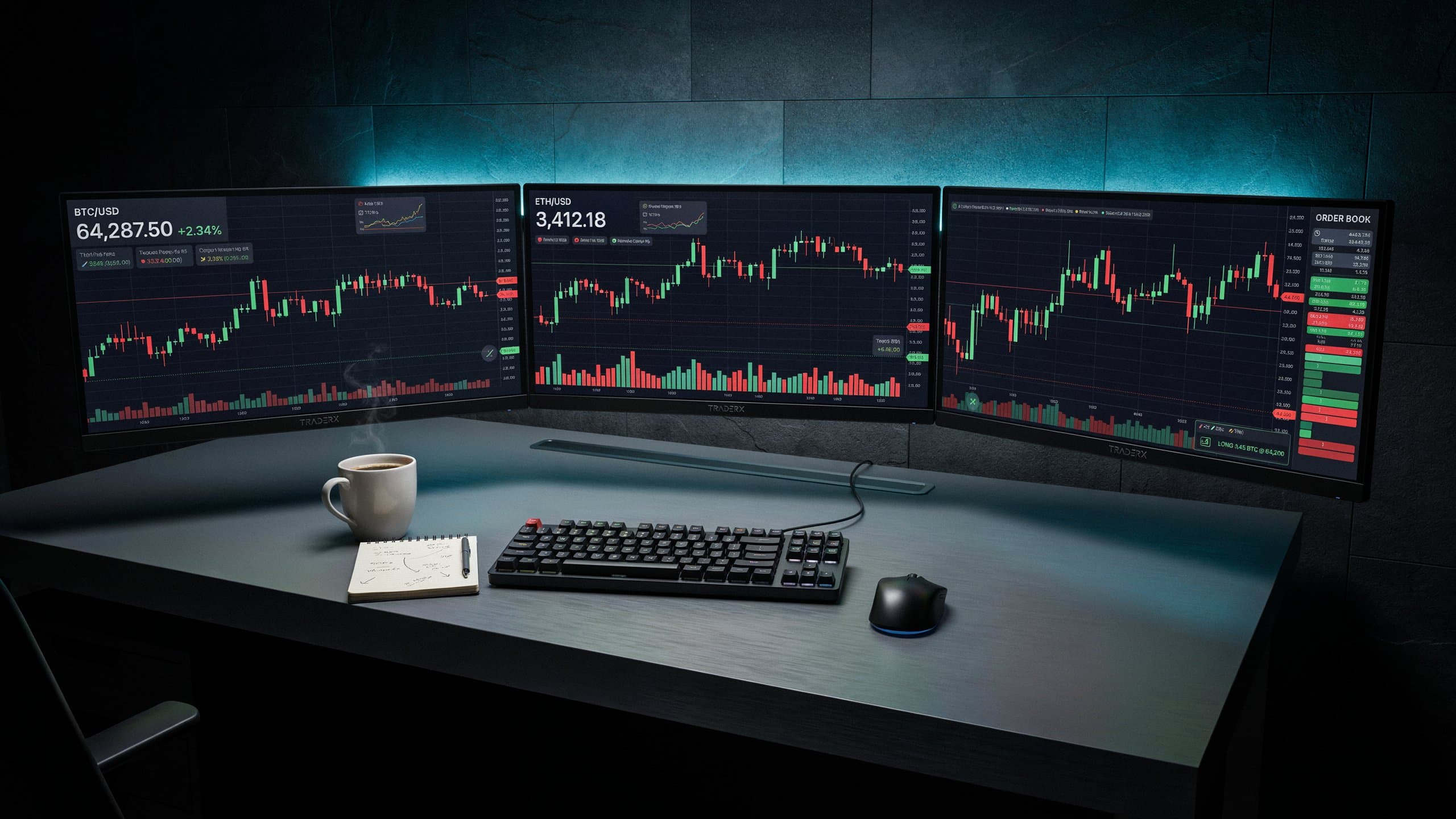
The single biggest mistake new traders make is skipping the rulebook. Every prop firm has its own specific requirements — profit targets, drawdown limits, consistency rules, and time constraints. At FFT, our rules are designed to be transparent and fair, but they only work if you actually read them. Take the time to understand exactly what's expected of you. Know your profit target, know your daily drawdown limit, and know how trailing drawdown works if it applies to your account. Many traders fail not because they can't make money, but because they accidentally breach a rule they didn't fully understand. Print out the rules, keep them open while you trade, and check them daily. This simple habit alone will eliminate a huge category of preventable failures.
Professional athletes don't show up to a game without training, and neither should you. Before you place your first evaluation trade, make sure your trading setup is ready. Test your platform, verify your internet connection, and ensure you have a quiet, distraction-free environment. FFT supports MT5, Match-Trader, NinjaTrader, TradeLocker, TradingView, Tradovate, and DeepCharts — pick the one you know best and master it. Familiarity with your platform reduces execution errors during critical moments. Additionally, make sure your strategy is tested. If you're trading a new setup, practice it on a demo account first. You don't want to be figuring out your strategy while you're being evaluated. The traders who pass their evaluations are the ones who put in the work before the clock starts ticking.

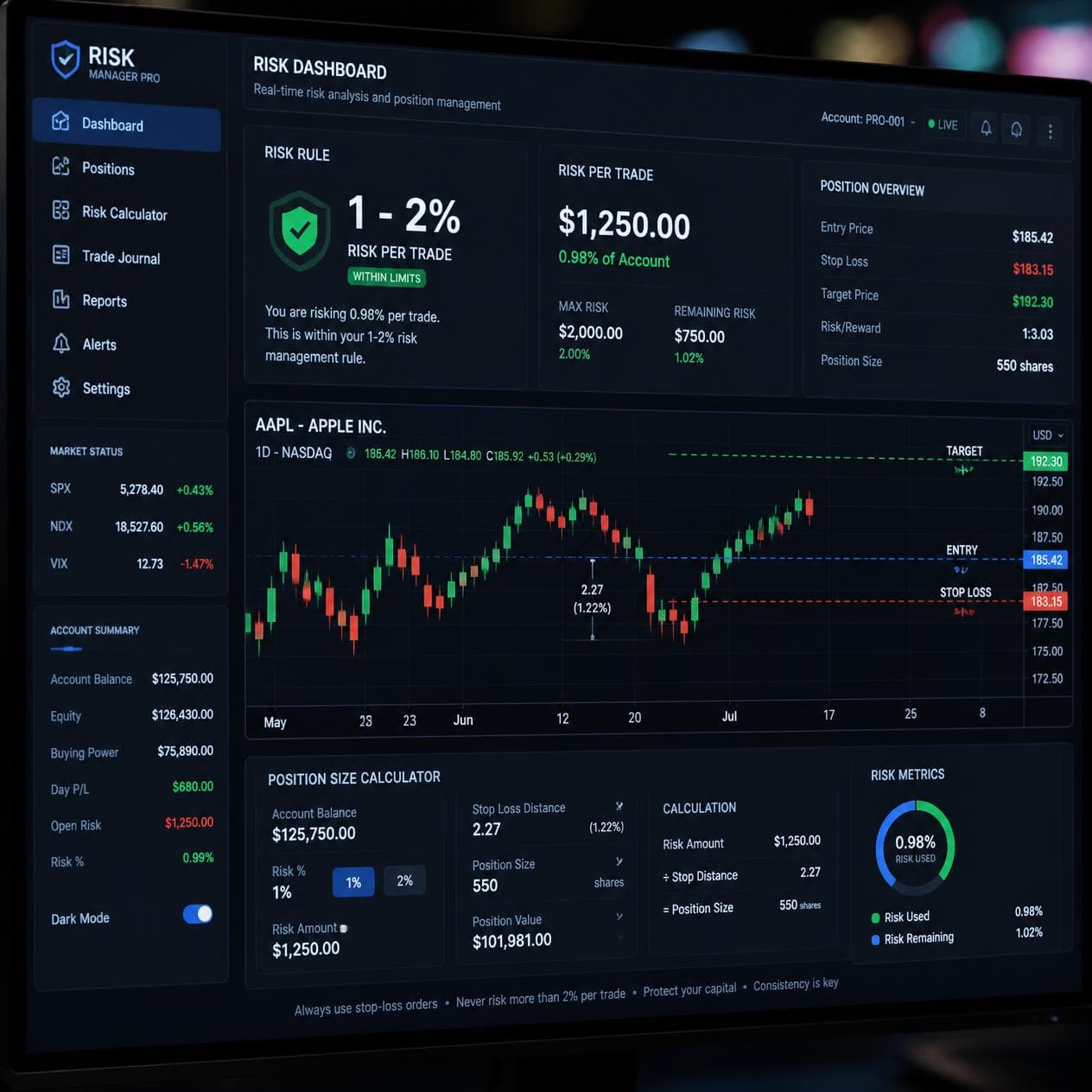
If there's one rule that separates funded traders from failed evaluations, it's risk management. At FFT, we're very clear about this: never risk more than 1-2% of your account on a single trade. This isn't a suggestion — it's a survival rule. Many traders blow their accounts not because they have a bad strategy, but because they let a single trade wipe out too much of their capital. When you risk 5% or 10% per trade, a few losses in a row will end your evaluation before you even have a chance to find a winning streak. Risk management also means using stop-losses on every single trade, every single time. No exceptions. A trade without a stop-loss is a ticking time bomb for your account. Position sizing should be calculated based on the distance to your stop-loss, not based on how confident you feel. Emotions and confidence fluctuate. Math doesn't.
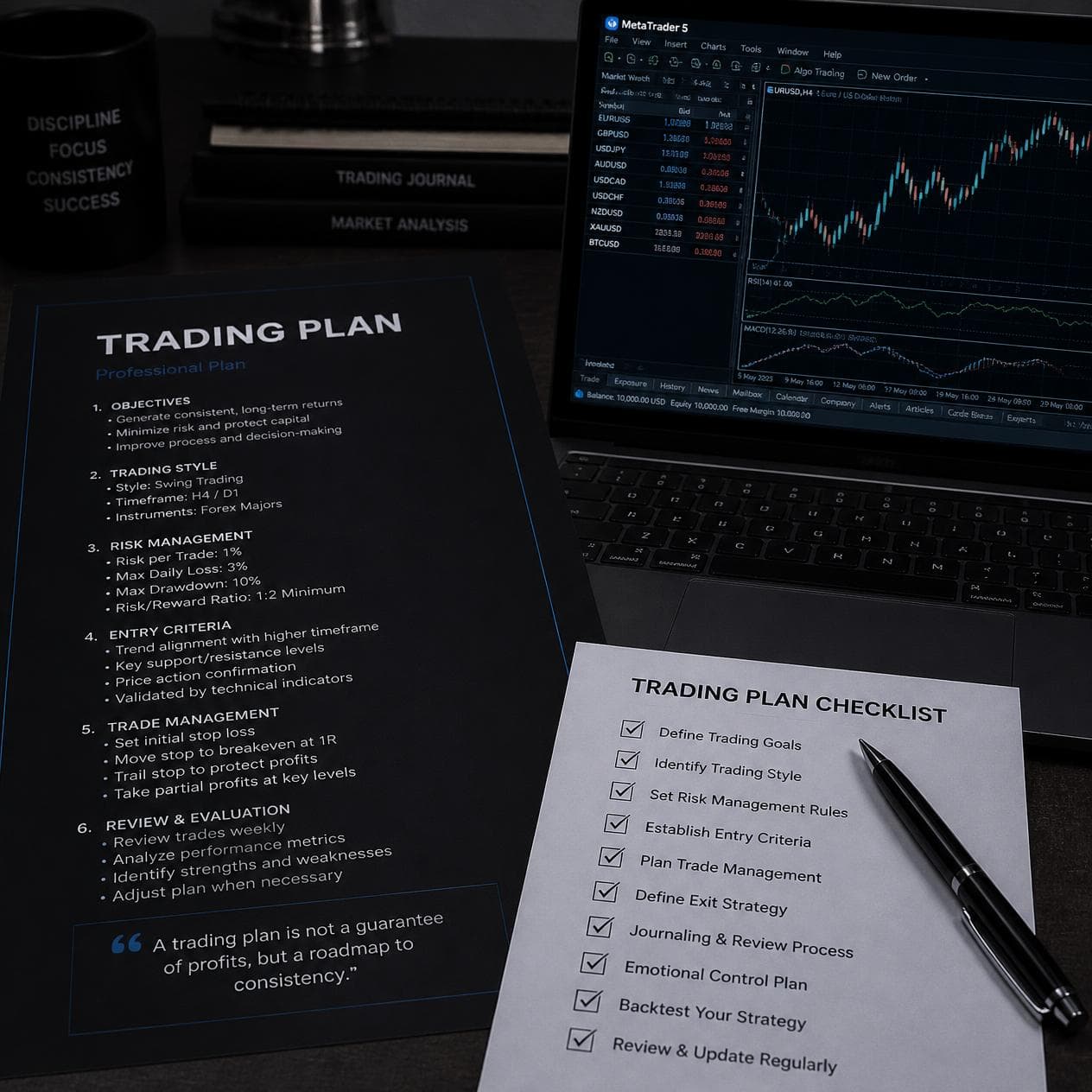
A trading plan is your blueprint for success. It defines exactly when you enter a trade, where you place your stop-loss, how you take profits, and what your maximum daily loss is. Without a plan, you're just guessing. With a plan, you have a repeatable system that you can trust. Write your plan down before the evaluation starts. Keep it visible while you trade. Review it at the end of every trading day. The best traders treat trading like a business — they have systems, processes, and standards. They don't make emotional decisions in the middle of the day. They follow their plan, even when it's boring, even when they want to take just one more trade, and even when the market looks like it's giving them a gift. Discipline isn't glamorous, but it's profitable.
Psychology is the silent killer of prop firm evaluations. You can have the best strategy in the world, but if you can't control your emotions, you won't pass. Fear makes you exit winning trades too early. Greed makes you hold losing positions hoping they'll turn around. Revenge trading after a loss can wipe out days of progress in a single afternoon. The traders who succeed are the ones who develop emotional routines. They step away from the screen after a big loss. They don't check their P&L every five minutes. They don't let a single trade define their day. Emotional discipline is a skill, and like any skill, it can be practiced. Start by journaling your emotions alongside your trades. Over time, you'll notice patterns — maybe you trade poorly after three consecutive wins, or maybe you get reckless after a big loss. Once you identify these patterns, you can create rules to manage them.

FFT offers multiple evaluation paths, and choosing the right one can make your journey significantly easier. If you're a swing trader who holds positions for days, a 1-Step account with a trailing drawdown might suit you better than a 2-Step account with static drawdown. If you're a day trader who likes quick results, our Instant Funding account might be the perfect fit. The key is to match your trading style to the account rules. Don't choose an account just because it's cheaper or because someone else recommended it. Choose the one that aligns with how you actually trade. Our team is here to help you make that decision if you're unsure.
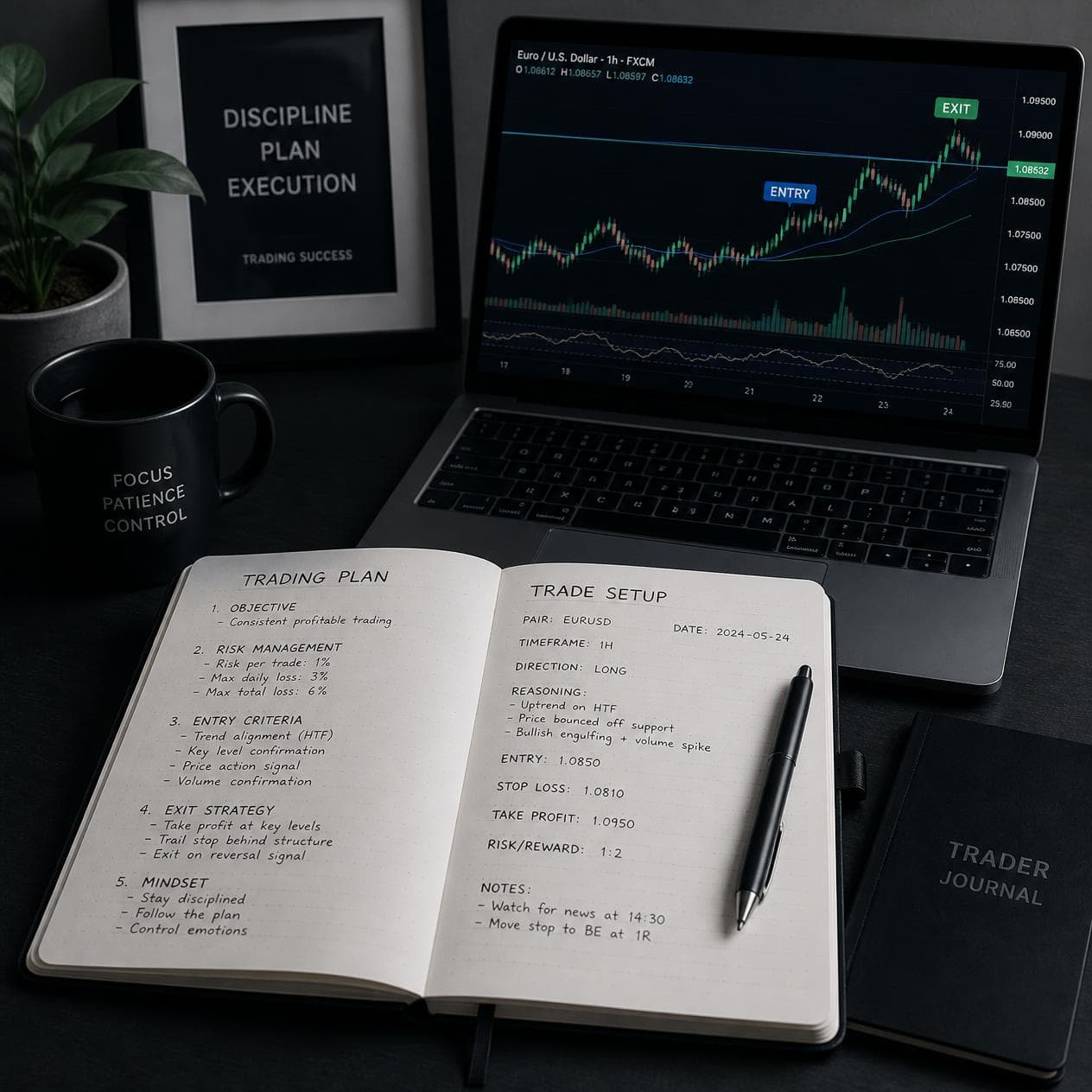
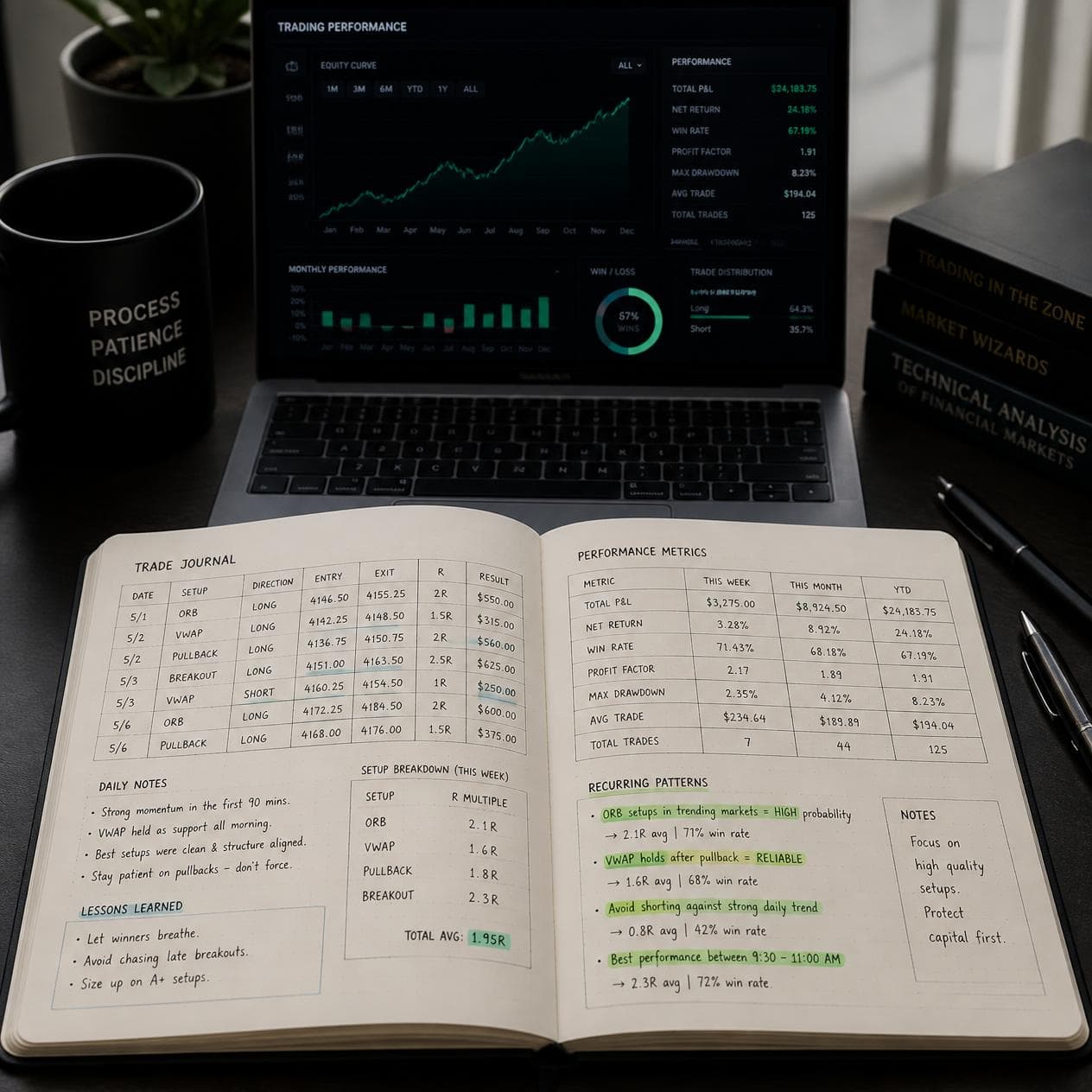
Every trade is a lesson. The traders who pass their evaluations are the ones who treat every trade as data. Keep a detailed trading journal. Record your entry, exit, stop-loss, take-profit, and the reason you took the trade. At the end of every week, review your journal. What setups are working? Which ones are failing? Are you sticking to your risk rules? Are there certain times of day when you trade poorly? Patterns will emerge that can help you refine your approach before the evaluation ends. At FFT, we believe in continuous improvement. Even after you're funded, reviewing your performance is what separates good traders from great ones.
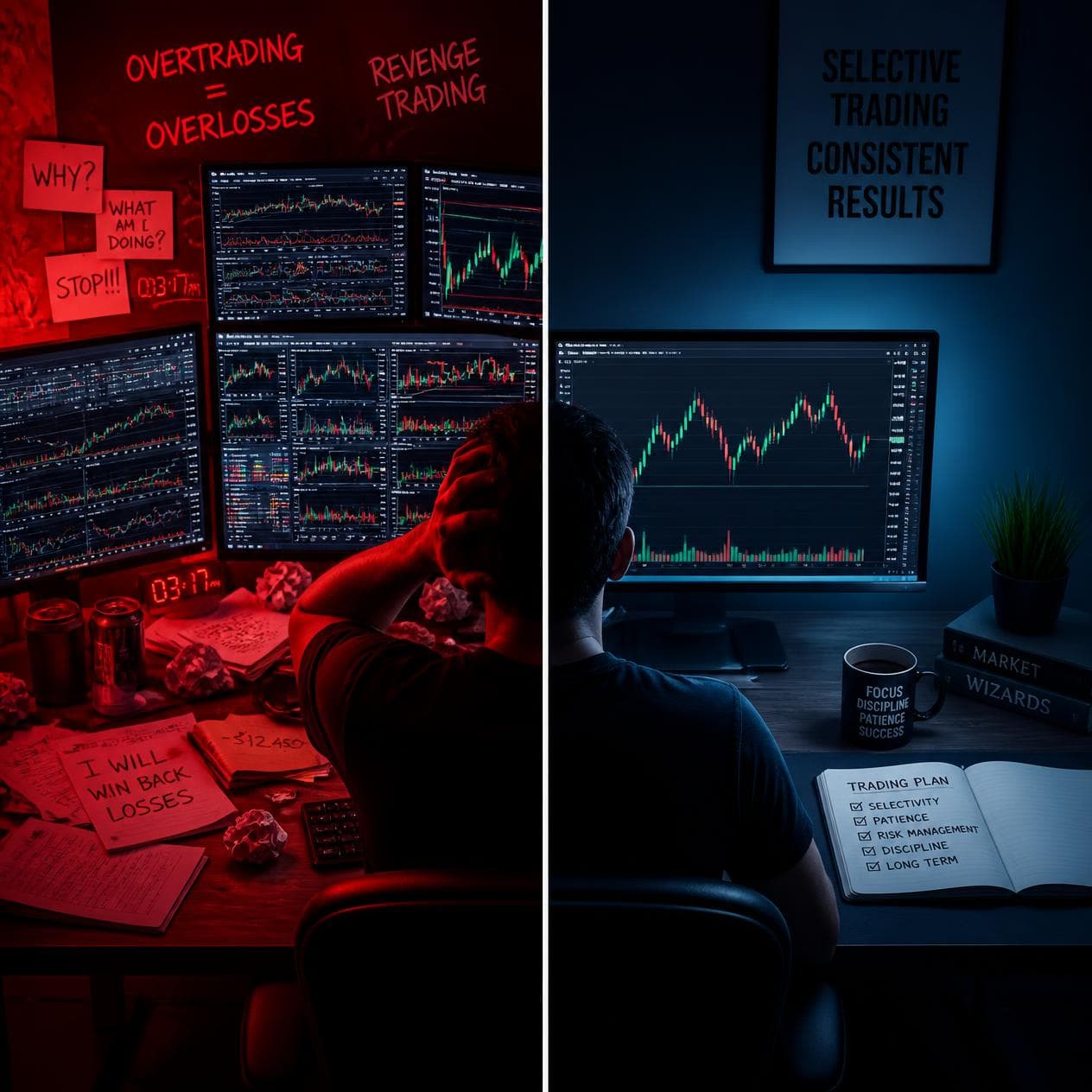
There are a few mistakes that show up again and again in failed evaluations. Overtrading is probably the most common. New traders feel like they need to be in the market constantly. They take low-quality setups, chase losses, and ignore their trading plan. Quality always beats quantity. Another common mistake is changing strategies mid-evaluation. If your strategy isn't working after a week, don't abandon it and try something completely new. Give it time, analyze why it's not working, and make small adjustments. The traders who chop and change their strategy every few days never give any single approach enough time to prove itself. Finally, don't ignore your drawdown limits. Many traders focus so much on their profit target that they forget to monitor their daily and overall drawdown. One bad week can end your evaluation. Stay aware of both your profits and your risks at all times.
Passing your first prop firm evaluation is absolutely achievable. It requires preparation, discipline, and a commitment to following your plan. At FFT, we've built our evaluation process to be transparent, fair, and designed to reward skilled traders. Our 1-Step, 2-Step, and 3-Step accounts give you multiple paths to funding, depending on your trading style and experience level. The traders who succeed are the ones who take the process seriously, respect the risk, and stay consistent. Start with a solid plan, manage your risk like your career depends on it — because it does — and remember that every trade is a step toward your goal. You've got this.